Your doctor may recommend a combination of treatments to prevent further damage to your joints and reduce your discomfort. These can include medication, use of heat or cold, weight management, exercise, and therapy. While you can't prevent your risk for getting arthritis such as inherited genes, gender, or past injuries you can take advantage of factors you can prevent.
One factor in preventing further joint damage is getting early treatment. Research has shown that you will help yourself more with early treatment than if you wait. Your doctor may prescribe physical or occupational therapy and not medication as the first step. The therapist can teach you how to make a movement or complete a task in a manner that is less taxing to an arthritic joint. This is a way to avoid further injury to that joint and less pain in your daily activities. Your occupational therapist might also give you suggestions about tools that you can use that may make certain tasks easier. Tools such as a jar opener, cane, walker, phone dialer, buttoner and sock puller can be helpful in getting everyday tasks done while minimizing your pain.
A second important factor in preventing joint damage is to control your weight. Think of it in this way: pounds put on in your 20s and 30s can build up years of pressure on your joints. Imagine sitting with a 30 pound weight on your neck for the next 20 years. That would increase joint stress in every joint below that extra weight: your neck, back, shoulders and hips. This stress can cause more wear and tear on your joints which can result in osteoarthritis. Even a few extra pounds have an impact. Being only 10 pounds overweight increases the force on the knee by 30-60 pounds with each step.
Monday, May 16, 2011

Wednesday, May 11, 2011
Assessing Your Risk of Developing Arthritis
If you are:
If you are already experiencing joint stiffness, joint pain with movement or you wake up with joint pain in the morning, you may already have arthritis. Make a point to tell your doctor about these symptoms on your next visit. Pain and stiff joints are not just a normal part of aging that you must endure.
- a woman
- over the age of 60 and have used your joints in any type of repetitive motion for prolonged periods such as jogging, bending, stooping, lifting
- you’ve sustained a joint injury in an accident or fall
- you have a close relative with osteoarthritis
- you are or were overweight
If you are already experiencing joint stiffness, joint pain with movement or you wake up with joint pain in the morning, you may already have arthritis. Make a point to tell your doctor about these symptoms on your next visit. Pain and stiff joints are not just a normal part of aging that you must endure.
Monday, May 9, 2011
Causes of Osteoarthritis
Three things typically cause osteoarthritis.
- Genetics
- What happens to you during your life
- How you live
However, what happens to you during your life is also important because there is a relationship between your activities and developing arthritis. For example joggers, high school and professional athletes in high impact team sports (e.g. football) and people who have had joint injuries or fractures are more likely to develop arthritis later in life in areas that were injured. Also, repetitive bending, stooping and lifting in your day-to-day life can lead to cartilage loss and pain in the hips and knees.
Other aspects of how you live your life can impact the disease as well. If you are overweight or were overweight for a significant amount of time in your life, you are more likely to develop arthritis in the knees, back and hips from the pounding your joints took. Even if you were never overweight, played impact sports, jogged, had a broken bone or your close relatives never had arthritis, sometimes osteoarthritis hits people without a known reason. How do you know if you have or may get arthritis? You should assess your risk and assess your symptoms.
Wednesday, May 4, 2011
Types of Arthritis
There are more than 100 different types of arthritis, but most types have common features. You might be interested in the fact that even dogs can have arthritis. One in five adult dogs have the disease! Not surprisingly the symptoms between humans and dogs are the same. Here are a few of those common symptoms:
- Favoring a limb
- Difficulty sitting or standing
- Sleeping more
- Stiff or sore joints
- Hesitancy to climb stairs, run or jump
- Weight gain due to inactivity
- Decreased activity
- Attitude or behavior changes: might be more preoccupied or irritable due to pain
Osteoarthritis causes pain, loss of movement and stiffness and swelling in or around your joints. The pain of osteoarthritis is what makes it hard to move your body in the way that you rely on every day for taking care of yourself and your family. Movements such as stooping to pick up the newspaper, peeling back the lid of a medication bottle, opening a can of soup, washing your back or walking to the mailbox are painful and hard to do.
Monday, May 2, 2011
Introduction to Arthritis
Arthritis which is pronounced by many as Arthur-i-tis, is the nation’s leading cause of disability in Americans. It causes pain, loss of movement and sometimes swelling of the joints. Arthritis limits everyday activities such as walking, dressing and bathing and is one of the most prevalent chronic health problems in our population.
The number of people who have arthritis is rising. In 1985 there were 35 million people with the disease. In 2006 that number was 46 million. A continued dramatic surge in arthritis is predicted, due to the Baby Boomer Generation’s increased awareness of the disease and greater likelihood of diagnosis.
Chances are that you or someone you know has arthritis. A diagnosis of arthritis can change your life but it does not have to be as bad as you might think. One half of Americans who have arthritis do not think anything can be done to help them.
In this blog series we will be offering some practical suggestions about how to manage the disease for those of you that have it, in order for you to make the most of your life. Future posts will cover the signs and symptoms of arthritis, so those who suspect that they have it can take action early.
Monday, April 4, 2011
The Food Pyramid for Age 70 and Older
At age 70 and older, individuals inherently have unique dietary needs. Fewer calories are needed as typically you may be less physically active, and your metabolic rate does slow down. Although this may seem to indicate that you need to worry less about nutritious meals, research actually shows that you require the same or higher levels of nutrients to remain healthy and better
manage the signs and symptoms of any chronic disease.
The food pyramid for older adults was created at Tufts University to represent these changes which most often occur at age 70. It has seven elements, all of which are equally important-the best visualization is a circus tent with seven gussets, if you will, all of which make up the body of the tent.
The seven elements daily nutrition at age 70 and older are:
1) Whole, enriched and fortified grains and cereals such as brown rice and 100% whole wheat bread which are fiber rich
2) Bright-colored vegetables such as carrots and broccoli

 3) Deep-colored fruits such as berries and melon

 4) Low and non-fat dairy products such as yogurt and low-lactose milk

 5) Dry beans and nuts, fish, poultry, lean meat and eggs


 6) Liquid vegetable oils and soft spreads low in saturated and trans fats
 7) Fluid intake
 To get these nutrients each day does not require access to fresh food-frozen, packages or bags of pre-cut vegetables and fruits work just as well. Note the last element, fluid intake. As we age, we gauge how thirsty we are less well. The importance of consuming enough fluids each day cannot be understated. This means not only water, but soups, vegetable juice and foods high in water content such as lettuce.
The pyramid for older adults does indeed look like a circus tent as it has a flag at the top. This unique visual is used on this food pyramid to suggest that older adults may need certain supplemental nutrients. The need for calcium, vitamins D, E and B12 increases as we age and it is often difficult to obtain these from food alone. The potential need to use supplements needs to be discussed with your doctor, especially with regard to the current medications that you take and any over-the-counter drugs such as antacids, herbal supplements or other vitamins.
Clearly the relationship between nutrition and our health continues throughout our lifetime, and changes as we age. An important factor for everyone is understanding our current nutritional health and any risk factors that we may have added by virtue of our lifestyle and the changes in our daily habits as we age. The first step to a healthy life and better managing any disease that we may have or develops is our diet. Take the first steps by assessing your nutritional health now.
manage the signs and symptoms of any chronic disease.
The food pyramid for older adults was created at Tufts University to represent these changes which most often occur at age 70. It has seven elements, all of which are equally important-the best visualization is a circus tent with seven gussets, if you will, all of which make up the body of the tent.
The seven elements daily nutrition at age 70 and older are:
1) Whole, enriched and fortified grains and cereals such as brown rice and 100% whole wheat bread which are fiber rich
2) Bright-colored vegetables such as carrots and broccoli


The pyramid for older adults does indeed look like a circus tent as it has a flag at the top. This unique visual is used on this food pyramid to suggest that older adults may need certain supplemental nutrients. The need for calcium, vitamins D, E and B12 increases as we age and it is often difficult to obtain these from food alone. The potential need to use supplements needs to be discussed with your doctor, especially with regard to the current medications that you take and any over-the-counter drugs such as antacids, herbal supplements or other vitamins.
Clearly the relationship between nutrition and our health continues throughout our lifetime, and changes as we age. An important factor for everyone is understanding our current nutritional health and any risk factors that we may have added by virtue of our lifestyle and the changes in our daily habits as we age. The first step to a healthy life and better managing any disease that we may have or develops is our diet. Take the first steps by assessing your nutritional health now.
Thursday, March 31, 2011
So What is the Latest Information About Nutrition - How Well Do You Like Fruits and Vegetables?
In March 2007, the Centers for Disease Control (CDC) and the National Institutes of Health (NIH) launched a public health initiative to make us aware of the need for fruits and vegetables in our diet. The program was called "5 a Day "to encourage adults to eat five or more servings a day of fruits and vegetables or two to six and a half cups per day. This change also acknowledges that many people struggle with understanding the size of a serving, and so the new requirements are stated in cups. Below are some examples of how these new requirements can be simply met in our daily diets.
Morning:
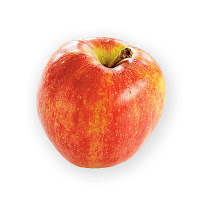
1 small apple (1 cup)
1 small banana on cereal (½ cup)

Mid-Day:
1 cup of lettuce and ½ cup of other vegetables

6 baby carrots (½ cup)

Evening:
½ sweet potato and ½ cup of green beans (1 cup)

16 grapes (½ cup)

Morning:
1 small apple (1 cup)

1 small banana on cereal (½ cup)

Mid-Day:
1 cup of lettuce and ½ cup of other vegetables

6 baby carrots (½ cup)

Evening:
½ sweet potato and ½ cup of green beans (1 cup)

16 grapes (½ cup)

Subscribe to:
Posts (Atom)